
Why a Local Sponsor is Mandatory for Dubai Mainland Businesses
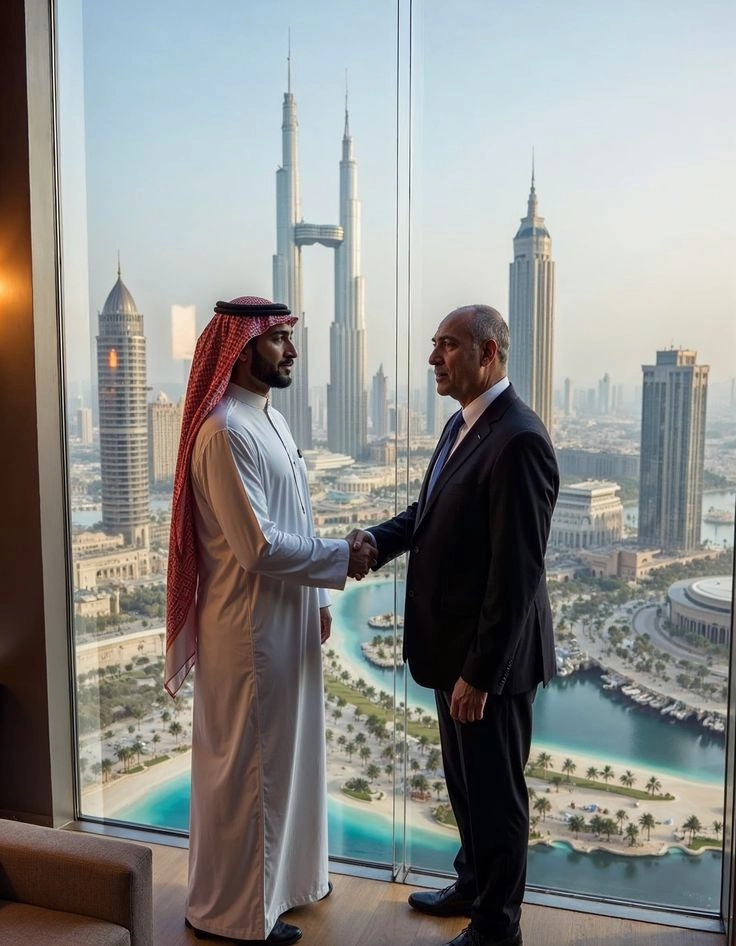
Dubai has emerged as one of the world’s leading business hubs, attracting foreign investors from all corners of the globe. Its strategic location, tax-free environment, and modern infrastructure make it an ideal place for setting up businesses. However, for foreign investors planning to establish a mainland company in Dubai, understanding the role of a local sponsor is crucial. Without a local sponsor, foreign investors cannot legally set up a mainland business in Dubai. This article explores why a local sponsor is mandatory, the responsibilities involved, and how investors can benefit from having a trusted UAE national partner.
Understanding Dubai Mainland Business Setup
Before diving into the role of a local sponsor, it’s essential to understand what constitutes a mainland business in Dubai. Mainland businesses are registered under the Department of Economic Development (DED) and are allowed to operate freely across the UAE market. Unlike free zone companies, which have operational restrictions and can only trade within their free zone or internationally, mainland companies can trade directly with the local UAE market without any limitations.
However, the UAE Commercial Companies Law requires foreign investors to have a UAE national as a sponsor or partner to legally conduct business. This ensures compliance with the law and facilitates smoother business operations.
Who is a Local Sponsor?
A local sponsor is a UAE national who agrees to partner with a foreign investor to fulfill the legal requirement for owning a mainland company. The term “local sponsor” is often used interchangeably with “UAE national partner” or “service agent,” depending on the business structure.
There are two main types of local sponsorship arrangements:
- Local Sponsor (Partner) – In this case, the UAE national holds 51% ownership of the company, while the foreign investor retains 49%. This type is common for commercial and industrial businesses in Dubai.
- Local Service Agent (LSA) – For professional licenses, the foreign investor can hold 100% ownership, but a UAE national acts as a service agent for legal compliance purposes. This agent does not have an equity stake but assists in government approvals and license renewals.
Legal Requirement for a Local Sponsor
The UAE Commercial Companies Law mandates that a foreign national cannot own a majority stake in a mainland company. Historically, this meant that foreign investors could not own more than 49% of a mainland business, making a local sponsor essential.
Even with recent reforms in 2021 allowing 100% foreign ownership in certain sectors, having a local sponsor is still mandatory for:
- Businesses in sectors that require local partnership by law
- Navigating government approvals, permits, and licensing procedures
- Facilitating trade with the UAE market and local authorities
This legal framework protects the local economy and ensures that UAE nationals remain integral to the business ecosystem.
Responsibilities of a Local Sponsor
While the role of a local sponsor may vary depending on the agreement, the typical responsibilities include:
- Legal Representation – Acting as the official UAE national representative in governmental procedures.
- License Renewal Support – Assisting in renewing trade licenses with the DED and other authorities.
- Visa Approvals – Facilitating employee visas and other legal permits for the business.
- Contractual Agreements – Sometimes co-signing contracts and agreements, depending on the partnership type.
It’s important to note that a local sponsor does not usually interfere with daily business operations unless specified in the contract. Most investors structure agreements to maintain full operational control while the sponsor handles legal and administrative matters.
Benefits of Having a Local Sponsor
While mandatory, a local sponsor can also bring strategic benefits beyond legal compliance:
- Smooth Government Approvals – Sponsors often have established relationships with authorities, expediting licensing and permits.
- Market Insights – A local sponsor can offer guidance on UAE business culture, local market trends, and networking opportunities.
- Credibility – Association with a UAE national partner can enhance credibility with clients, suppliers, and stakeholders.
- Risk Mitigation – A trusted sponsor ensures compliance with laws, reducing the risk of legal disputes or fines.
Choosing the right sponsor is critical, as the wrong partner could potentially create legal or financial challenges.
How to Choose the Right Local Sponsor
Selecting a reliable local sponsor requires careful consideration. Here are key tips:
- Check Reputation – Look for sponsors with a solid track record in business partnerships.
- Draft a Clear Agreement – Define roles, responsibilities, profit-sharing (if any), and dispute resolution in writing.
- Avoid Conflicts of Interest – Ensure the sponsor is not running competing businesses.
- Use Legal Assistance – Engage a business setup consultant or lawyer to formalize the sponsorship agreement.
A well-structured agreement ensures peace of mind and minimizes potential disputes.
Common Misconceptions About Local Sponsors
Many foreign investors have misconceptions about local sponsorship, such as:
- Sponsor controls the business – While the sponsor may have legal ownership in some cases, operational control can be fully retained by the foreign investor through contractual agreements.
- Sponsor demands high fees – Fees are negotiable, and transparent agreements can prevent hidden costs.
- Sponsor involvement is risky – Choosing a trusted sponsor and formalizing agreements legally mitigates most risks.
Understanding these aspects helps investors approach sponsorship with confidence.
Recent Reforms and Trends
The UAE government has introduced reforms to make business setup more investor-friendly. In 2021, certain sectors allowed 100% foreign ownership, reducing the dependence on a local sponsor. However, even in these cases, a UAE national may still be required as a service agent for regulatory approvals or professional licenses.
Additionally, digital government services and e-agreements have made working with local sponsors more streamlined, reducing bureaucracy and improving transparency.
Conclusion
For foreign investors planning to set up a mainland business in Dubai, having a local sponsor is not just a legal formality—it’s a strategic necessity. A local sponsor ensures compliance with UAE laws, facilitates smooth operations, and can provide valuable market insights and credibility.
Choosing the right sponsor involves careful vetting, legal agreements, and a clear understanding of responsibilities. With the right partner, foreign investors can successfully navigate Dubai’s business landscape and focus on growing their ventures.
Investing in Dubai’s thriving market is an exciting opportunity, and a trusted local sponsor is the key to unlocking that potential.
